
For a small hand-digging project, DIY may be possible. For excavation that involves machinery, utilities, rock, drainage, a building pad, a pond, or a large amount of soil, a professional crew is usually the safer and more practical choice.
Central Texas adds another factor: winter rain can change the way equipment reaches a site and how soil behaves under a load. TexTerra’s complete guide to excavation explains the broader process. If you want work considered before the wetter part of the season, use fall to decide the scope, call 811, and get the site checked before choosing between a rental machine and a contractor.
When DIY excavation may make sense
DIY is best suited to small, shallow work with a clear finish and little risk to nearby structures or utilities. Examples may include hand-digging for a garden feature or a small post project, provided the work follows local rules and utility-locate requirements.
A short checklist for small projects
Before you pick up a shovel or rent equipment, answer these questions:
- Is the work shallow and limited in size?
- Can you keep people, pets, vehicles, and structures away from the work area?
- Do you know where underground electric, water, gas, sewer, and communications lines are located?
- Do you have a plan for the soil you remove?
- Can you restore the surface and control water when the work is finished?
Texas811 says Texas law requires excavators to contact 811 at least two business days before digging, excluding weekends and holidays, even when the work is on private property. A property owner should not treat a familiar yard or a visible utility connection as proof that the digging area is clear.
Pro Tip: Put the work limits, keep-out areas, and soil stockpile location on paper before digging. A simple sketch can prevent a machine, pile of dirt, or truck route from blocking the part of the property you need to keep open.
When professional excavation is the better choice
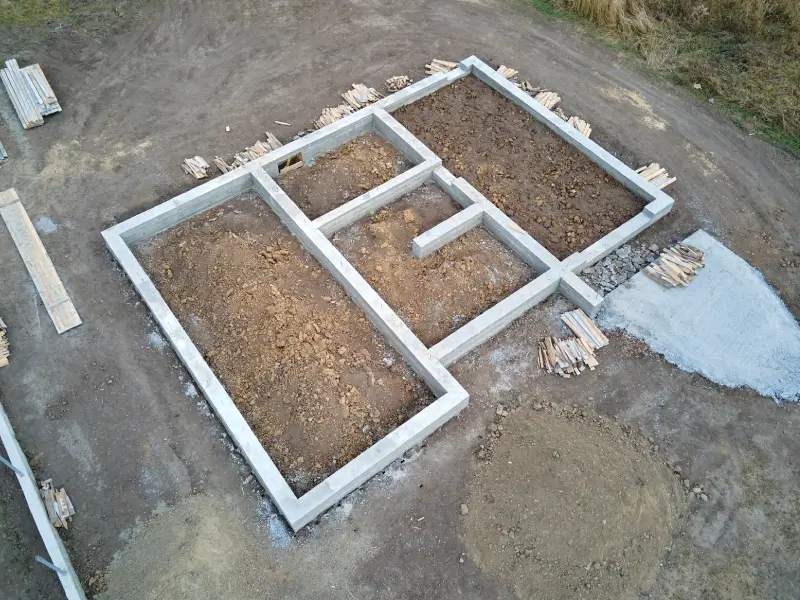
Professional excavation becomes the better choice when the work affects the property’s structure, drainage, access, or next construction step. TexTerra’s professional excavation services cover work such as home and barn foundations, driveways, RV pads, ponds, utility trenches, erosion repairs, and major grading.
Rock, slopes, and water change the job
Central Texas ground can include limestone, caliche, clay, and uneven layers of soil. A small change in ground conditions can affect machine choice, production time, spoil handling, and the finished grade. A slope can also change where runoff goes after the work is complete.
TexTerra’s published excavation guidance describes using several test holes on some pad and pond projects because rock can change within a short distance. A phone description or satellite image may not tell the full story. A site visit can reveal access, overhead conflicts, drainage paths, and shallow rock before the estimate becomes a surprise.
Deep cuts and trenches carry added hazards
Excavation is not only moving dirt. A cut can affect foundations, fences, septic components, and utilities. OSHA’s excavation requirements address underground installations, access, water accumulation, equipment near a cut, and inspections by a competent person. Those rules apply to construction employers and employees, but the hazards exist on residential and rural properties too.
A trench or deep cut should not be treated like a larger version of a garden project. If the job involves employees entering an excavation, a competent person, protective systems, safe access, and daily inspections may be required under the applicable construction standards. Ask the contractor how the planned work will address depth, soil, water, and nearby structures.
Did You Know? OSHA’s rule calls for a safe way in and out of trench excavations that are 4 feet or more deep, with no more than 25 feet of lateral travel for employees. The exact requirements depend on the work and conditions, so a professional should review the site before anyone enters a cut.
DIY versus professional excavation: a practical comparison
The lowest rental price does not equal the lowest project cost. Compare the full job, not just the machine rate.
DIY usually means you also own the planning
With a rental machine, the property owner still has to handle utility locates, access, transport, fuel, spoil placement, drainage, cleanup, and repairs if the machine or property is damaged.
DIY also makes it easy to create a finished-looking hole that does not solve the larger problem. A driveway may still wash out if water has no controlled path. A building pad may still settle if the material is not placed and compacted for the planned use. A pond may not hold water if the basin, soil, and overflow path were not planned together.
A professional quote should describe the finished result
A useful excavation estimate should explain more than the number of machine hours. Ask whether it identifies:
- Site access and the equipment route
- The area to be cleared or excavated
- Rock or unsuitable material handling
- Whether soil will be reused, spread, stockpiled, or hauled away
- Rough and finish grading expectations
- Drainage or erosion work
- Cleanup and restoration
- Items that may change the price after a site condition is found
TexTerra’s bid guidance calls out access, material removal, rock handling, grading tolerance, drainage, and final cleanup as line items property owners should compare. Those details help you compare a rental plan with a professional estimate.
How to plan excavation before winter
Fall is a useful time to settle the decisions that can slow a winter project. TexTerra’s winter excavation planning guide covers the access, drainage, and utility questions to answer early. Start with the finished use: home pad, barn, driveway, utility route, pond, drainage correction, or another land improvement. Then mark structures, fences, gates, wells, septic areas, trees to keep, and the route equipment and trucks will use.
Call 811 before excavation, gather any survey or engineering drawings, and walk the site after rain when it is safe. Look for water entering the property, low spots, soft shoulders, erosion, and places where a new pad or driveway could block an existing drainage path.
If the ground is wet, a contractor may need to change the work sequence, protect the entrance, select another equipment route, or wait for safer conditions. A site-specific estimate should explain what the crew can do, what depends on weather, and what happens if rock or water changes the plan.
Pro Tip: Ask for a primary and backup equipment route. Protecting one entrance from repeated traffic can save a gravel drive, pasture edge, or soft shoulder from avoidable damage after a rain.
Questions to ask before choosing DIY or a contractor
Before renting equipment or accepting a quote, ask:
- What is the finished grade or finished use?
- Who will call 811 and confirm the marks before digging?
- What happens if rock, soft soil, or water appears?
- Where will removed material go?
- How will the work protect drainage and nearby structures?
- What cleanup and surface restoration are included?
- What work requires an engineer, permit, inspection, or another specialist?
Clear answers are more useful than a quick promise that the job will be easy. The right choice is the one that fits the site’s conditions and leaves the property ready for the next step.
Frequently Asked Questions
Is DIY excavation cheaper than hiring a professional?
It can be for a small, shallow project with easy access and no complications. Rental cost is only one part of the total; transport, fuel, utility locating, spoil handling, drainage, cleanup, and damage risk can change the final cost.
Do I need to call 811 before digging on my own property in Texas?
Yes. Texas811 says Texas law requires excavators to contact 811 at least two business days before excavating, excluding weekends and holidays, even on private property. Request the locate before ground is broken and follow the marking instructions.
When should I hire a professional excavation company?
Hire a professional when the work involves machinery, deep cuts, trenches, foundations, driveways, ponds, major grading, drainage, rock, limited access, or nearby structures and utilities. A site visit can also show whether the project needs an engineer, permit, or another specialist.
Can excavation be done before or during a Central Texas winter?
Often, yes, but the workable window depends on recent rain, soil conditions, safe access, water in the work area, and the project type. A fall site visit gives the contractor time to plan routes, drainage controls, material handling, and a weather-aware schedule.
If you are weighing a rental machine against a professional excavation plan, contact TexTerra Solutions for a free site estimate. The team can review your property, discuss the finished use, and explain what the work may require before winter conditions complicate access.